

Hybrid work has become the standard, which means time together in the office is more limited and needs to be intentional. As a result, the physical workplace can no longer be a passive backdrop for laptops and meetings. It has to actively support focus, collaboration, comfort, and connection in a way that justifies being there at all. That expectation is shaping workplace design in 2026, pushing furniture and space planning to do more than look good. These trends reflect how people work today and the higher bar they now set for the environments they come into.
Modular Ecosystems, Reimagined
Modular furniture isn’t anything new, but in 2026 it’s being pushed further. What started as movable tables and flexible desks is evolving into fully connected ecosystems. Workstations, shared storage, collaboration elements, and soft boundaries are now designed to work together so spaces can support both teamwork and focused work without constant redesign.
The difference is speed and cohesion. These systems are built to be reassembled quickly as teams grow, shrink, or shift their rhythm across the week, which is where many hybrid workplaces feel the most pressure.
WHY IT MATTERS
This evolution of modularity is as much about people as it is about planning. It signals that employees will have the right setting for the type of work they are doing that day, whether that’s collaboration, focus, or something in between. It also supports smarter long-term decisions by allowing organizations to redeploy existing assets instead of rebuilding spaces from scratch.
Over time, this approach can reduce disruption, shorten timelines when priorities change mid-project, and improve the overall return on furniture investments.
HOW TO IMPLEMENT
• Start with a plan that identifies flex zones (areas that need to change frequently) and which can remain stable
• Pilot a single zone and observe how often it’s reconfigured and who is responsible for resets
• Align finishes and materials early so components can move without feeling mismatched
• Integrate plug-and-play power and data so flexibility doesn’t introduce visual or functional issues
Acoustic Privacy Becomes Standard
Open plan is still part of the workplace, but the expectation around it has changed. In 2026, open environments are no longer designed without protection. Acoustic privacy is being delivered through smaller, more targeted layers like phone and video pods, focus booths, screens, and surface treatments that create moments of retreat without closing spaces off entirely.
Rather than relying on more enclosed rooms, organizations are using these elements to create micro-zones that support focus and confidential conversations while keeping layouts flexible.

FEATURED PRODUCT: TEKNION POD

FEATURED PRODUCT: TEKNION POD

FEATURED PRODUCT: TEKNION ACOUSTICS

FEATURED PRODUCT: TEKNION POD

FEATURED PRODUCT: TEKNION ACOUSTICS

FEATURED PRODUCT: TEKNION POD

FEATURED PRODUCT: TEKNION POD

FEATURED PRODUCT: TEKNION ACOUSTICS

FEATURED PRODUCT: TEKNION POD

FEATURED PRODUCT: TEKNION POD

FEATURED PRODUCT: TEKNION ACOUSTICS
WHY IT MATTERS
Privacy directly affects both performance and wellbeing. Better acoustic control reduces distraction, supports different working styles and needs, and makes hybrid meetings feel more comfortable and professional. It also allows teams to add privacy more quickly and cost effectively than building permanent rooms, which is especially important in spaces that need to adapt over time.
HOW TO IMPLEMENT
• Place privacy solutions along natural circulation paths instead of isolating them in leftover corners
• Use a layered approach, combining pods, panels, and screens rather than relying on a single solution
• Review acoustic needs by activity type (calls, focus work, collaboration) and plan privacy solutions accordingly.
• Start small, monitor peak day usage, and scale based on actual demand
Ergonomics Designed for Movement

Ergonomics are no longer centered on finding a single “perfect” chair. In 2026, it’s about enabling small, frequent adjustments across different postures like sitting, standing, perching, and leaning. As hybrid schedules concentrate on more meetings and screen time into fewer in-person days, furniture is being designed to respond more easily and intuitively throughout the day.
This shift also reflects the reality of shared and flexible work settings. Ergonomic support needs to be quick to adjust, easy to understand, and consistent across users rather than tailored through one-off solutions.
WHY IT MATTERS
Well-designed ergonomics quietly support retention, performance, and comfort. Fewer aches, less fatigue, and better sustained focus add up over time. At the same time, providing broadly adjustable furniture reduces the need for individualized accommodations, helping organizations support equity, speed, and long-term asset management in hot-desking and flexible environments.
Ergonomics also intersects with duty of care. As workstations are shared more often, employers are expected to take a more proactive approach to supporting safe and comfortable use.
HOW TO IMPLEMENT
• Specify ergonomic seating and desks with intuitive, easy-to-use controls
• Build simple setup guidance into onboarding so users can adjust quickly and confidently
• Take a tiered approach: standard ergonomic solutions for most users, with enhanced options available where needed
• Coordinate adjustable furniture with power placement so changes in posture don’t create new friction
Sustainability Becomes Practical & Measurable
Sustainability in workplace design is becoming more concrete in 2026. What used to live at the level of values or vision is now showing up directly in specifications. Repairable components, verified recycled content, responsible sourcing, material transparency, and end of life planning are increasingly expected as part of the decision making process.
Rather than broad sustainability claims, teams are asking clearer questions about how products are made, how long they last, and what happens to them over time.

WHY IT MATTERS
Sustainable design choices are visible, and they influence how organizations are perceived by both employees and partners. When sustainability is built into furniture and material decisions, it reinforces credibility and trust.
From a planning standpoint, circular design also reduces long term waste and can improve lifecycle cost, especially in environments that change frequently or experience higher levels of churn.
HOW TO IMPLEMENT
• Ask suppliers for consistent, comparable sustainability documentation such as material makeup, repair options, and end of life pathways
• Plan product lifecycles intentionally, including refresh and replacement timelines
• Define which sustainability criteria are required upfront and which can be phased in over time
• Align furniture and material decisions with broader organizational sustainability goals so expectations are clear from the start
Lounges That Support Real Work
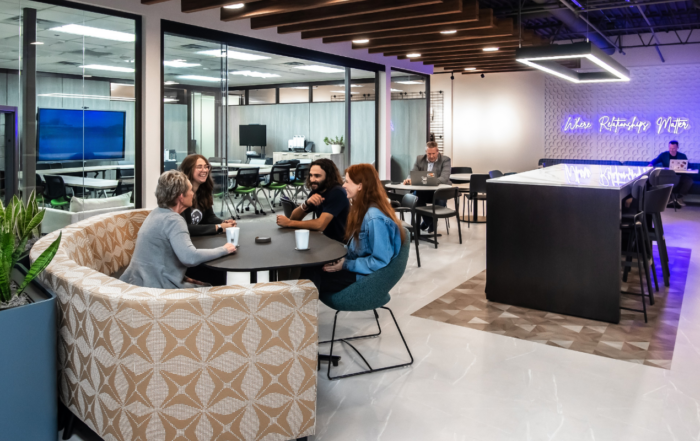
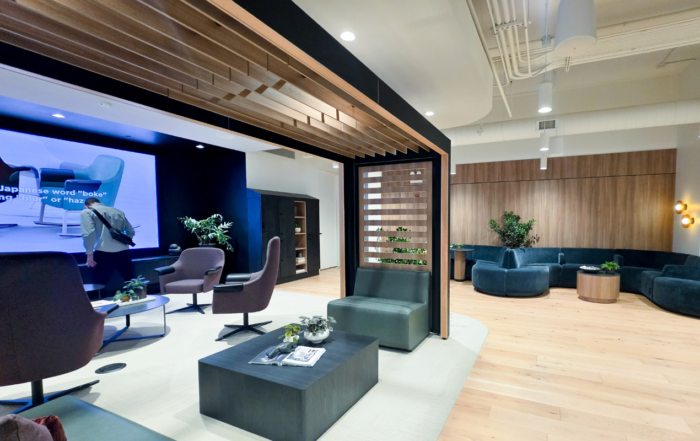
Lounge spaces are no longer treated as decorative break areas. In 2026, hospitality-inspired settings are expected to support real work. Informal collaboration, mentoring, touchdown focus, and brand experience are increasingly happening in the same space, which means these environments have to balance comfort with performance.
The most effective lounges still feel relaxed, but they’re intentionally designed with the right mix of posture options, work surfaces, lighting, and access to power so they can support productivity throughout the day.


WHY IT MATTERS
These spaces play an outsized role in culture, especially for onboarding, retention, and cross-team connection. They also help manage peak in-office days by offering more ways to work without forcing people into desks or formal meeting rooms.
From a planning perspective, lounge and café-style spaces are also easier to update and repurpose over time than traditional meeting rooms, making them a flexible tool as needs change.
HOW TO IMPLEMENT
• Design lounge areas as defined settings with a clear purpose, not just groupings of soft seating
• Match postures and surfaces to the intended activities, such as touchdown work, mentoring, or small group discussions
• Use acoustic and visual elements to protect the edges of the space so it feels comfortable rather than exposed
• Ensure power and laptop-friendly surfaces are easy to reach without disrupting circulation
Seamless Power and Data Integration

Power planning has moved beyond simply adding more access across the office. In 2026, the focus is on making those power and data sources easier to use, easier to relocate, and less visible. As layouts become more flexible and work happens across desks, lounges, and shared settings, power is expected to integrate seamlessly into the environment rather than stand out as an add on.
Clean integration and cable management are now part of the baseline expectation. Spaces are increasingly designed to feel plug-and-play, whether someone is working at a workstation, collaborating in a lounge, or sharing content in an informal setting, without power disrupting the look or function of the space.
WHY IT MATTERS
Few things disrupt the workplace experience faster than power friction. Searching for outlets, navigating cables, or abandoning a space because it isn’t functional all undermine how spaces are meant to be used.
A thoughtful power strategy reduces late-stage retrofits and prevents the afterthought spending that often appears near the end of a project. More importantly, it ensures flexible spaces actually get used the way they were intended.
HOW TO IMPLEMENT
• Identify where power is needed day to day, including shared and informal areas, not just assigned desks
• Standardize connection types across the space to simplify use and reduce adapter clutter
• Treat cable management as part of the overall design so layout changes don’t introduce visual noise
• Plan power placement with hybrid collaboration in mind so seating, screens, and cameras work naturally together
Preparing Your Space for the Year Ahead
Rather than chasing every trend, the most effective workplaces focus on what will make the biggest impact for their people.
• Observe how spaces are used over a two week period
• Identify friction points employees avoid
• Pilot one flexible zone before scaling
• Set clear sustainability and wellbeing benchmarks
• Pair physical changes with clear behavior guidance
Furniture is no longer static infrastructure. It’s an active layer that supports how people work, connect, and recharge. The goal for 2026 isn’t to adopt every trend. It’s to choose the ones that improve day to day experience now while keeping spaces adaptable for what comes next.